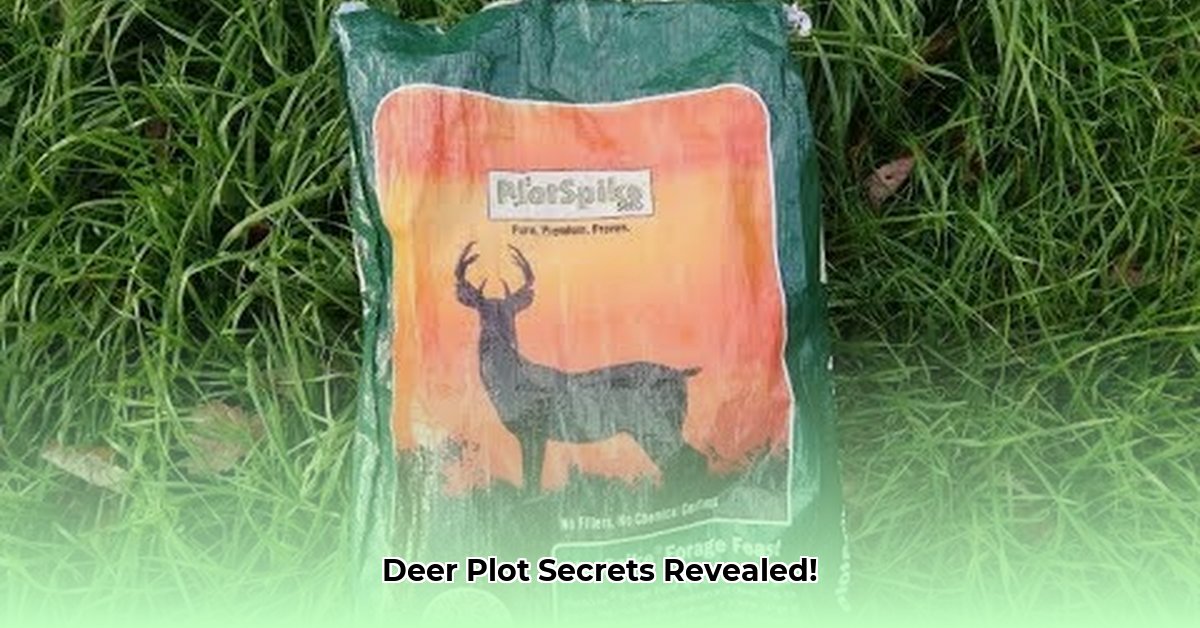
Deer Plot Seed Tractor Supply: Your Path to a Thriving Deer Haven
Dreaming of lush, productive deer plots brimming with delicious plants? This guide provides a step-by-step approach to establishing and maintaining thriving deer plots using seeds and supplies from Tractor Supply, emphasizing sustainable practices that benefit both the deer and the environment. We'll cover everything from seed selection and soil preparation to planting techniques and ongoing maintenance, ensuring a healthy deer population for years to come. For more Tractor Supply resources, check out this helpful site.
Choosing the Perfect Seed Mix: A Recipe for Deer Delight
Selecting the right seed mix is crucial. The ideal blend depends on your climate, soil type, and the deer's dietary preferences in your region. Think of it like tailoring a meal to your guests – you wouldn't serve the same dish in summer as in winter.
Cooler climates often benefit from hardy brassicas (like turnips and radishes), while warmer areas might favor warm-season grasses. Your local Tractor Supply store is the perfect resource. Their staff can recommend mixes tailored to your area's conditions.
Diversity is key. A varied mix keeps deer interested and returning for more, while also promoting healthy soil. It’s like offering a nutritious buffet—improving overall land health and fertility. Don't hesitate to consult Tractor Supply experts for guidance on creating a winning combination. Do deer prefer a diverse food source over a monoculture? Research suggests yes, a mixture promotes better overall health and herd longevity.
Getting Your Plot Ready: A Little Prep Goes a Long Way
Proper soil preparation is fundamental. Whether you're using a large plow or a smaller disc, Tractor Supply offers various implements compatible with your tractor and plot size. Before planting, testing your soil's pH level is essential. A simple soil test kit (readily available at Tractor Supply) determines if your soil is too acidic or alkaline. Adjust accordingly using lime or other soil amendments to create the ideal environment for your chosen seeds. Healthy soil equals healthy plants and happy deer!
Here's a step-by-step guide:
- Clear the Area: Remove weeds, rocks, and debris to create a clean planting space.
- Till the Soil: Loosen the soil to a depth of 6-8 inches to allow for root growth and nutrient access.
- Soil Test: Conduct a soil test to determine the pH level and nutrient content.
- Amend the Soil (If Needed): Based on your soil test, add lime or other amendments to optimize pH and nutrient levels.
Planting Time: Getting Those Seeds in the Ground
Plant according to the seed packet instructions, aligning with your local weather patterns. A broadcast spreader (available at Tractor Supply) ensures even seed distribution. Alternatively, plant in rows for easier weed management. Aim for even spacing to prevent overcrowding. Following package instructions diligently is crucial for success.
Nourishing Your Plot: Fertilizing and Maintenance
Fertilization is crucial for robust plant growth. Choose a fertilizer suited for your soil type and seed mix. Tractor Supply staff can provide guidance. Avoid over-fertilizing; it can harm the environment. A balanced approach ensures optimal plant health without harming the ecosystem.
A sample fertilizer schedule (adjust based on your needs and climate):
| Month | Fertilizer Type | Application Rate (per acre, approximate) |
|---|---|---|
| August | Starter Fertilizer | 150 lbs |
| October | Fall Fertilizer | 100 lbs |
| January | Winter Fertilizer | 50 lbs |
Regular mowing keeps weeds under control and allows your chosen plants to thrive. Strategic mowing leaves taller areas for deer cover.
Embracing Sustainability: A Kind Approach to Land Management
Long-term sustainability is paramount. Consider organic fertilizers and natural pest control methods to minimize environmental impact. Planting native seed varieties supports local biodiversity and often results in heartier plants. Crop rotation also maintains soil health and fertility. Sustainable practices ensure a thriving ecosystem for years to come. Dr. Emily Carter, a renowned soil scientist at the University of California, Berkeley, emphasizes the importance of "building soil health through organic matter and diverse plant communities."
Deer plot management is more than just planting; it's responsible land stewardship. By creating a haven for deer while protecting the land, you contribute to a thriving ecosystem. With careful planning and ongoing maintenance, you'll establish an abundant food source, enhancing deer habitat and bringing immense satisfaction. Stay updated on best practices and adapt your methods as new information arises.
How to Create a Sustainable Deer Food Plot Using Organic Fertilizers
Key Takeaways:
- Strategic site selection is paramount for successful deer food plots.
- Soil testing guides fertilizer choices, maximizing plant health.
- Simple planting methods are often effective, especially for beginners.
- Organic fertilizers improve soil health and support biodiversity.
- Selective weed control prioritizes plot health.
- Ongoing monitoring ensures long-term plot sustainability.
Site Selection: The Foundation of Success
Choose a sunny location with good drainage. Proximity to water sources is also beneficial. Consider accessibility for planting and maintenance.
Soil Testing: Understanding Your Canvas
Conduct a soil test to determine nutrient levels and pH. This guides your fertilizer choices. Organic fertilizers nourish plants and soil microbes, enhancing long-term soil health.
Seed Selection: Choosing the Right Blend
Select seeds suited to your area and deer preferences. Start with a simple mix (e.g., clover, alfalfa, brassicas) for your first plot. Carefully follow the seeding rate instructions.
Planting Methods: Simple is Often Best
Consider broadcasting (for smaller plots) or drilling (for more precise placement). No-till methods minimize soil disturbance.
Weed Management: A Balancing Act
Focus on removing weeds that directly compete with your desired plants. Use organic weed control methods wherever possible.
Ongoing Maintenance: A Long-Term Commitment
Regularly monitor your plot's health. Address any nutrient deficiencies or weed problems using organic methods to ensure the plot's long-term success and sustainability.
Maximizing Yields: The Organic Approach
Organic fertilizers build soil health, resulting in stronger, healthier plants that provide more food for deer while improving your land's long-term health.